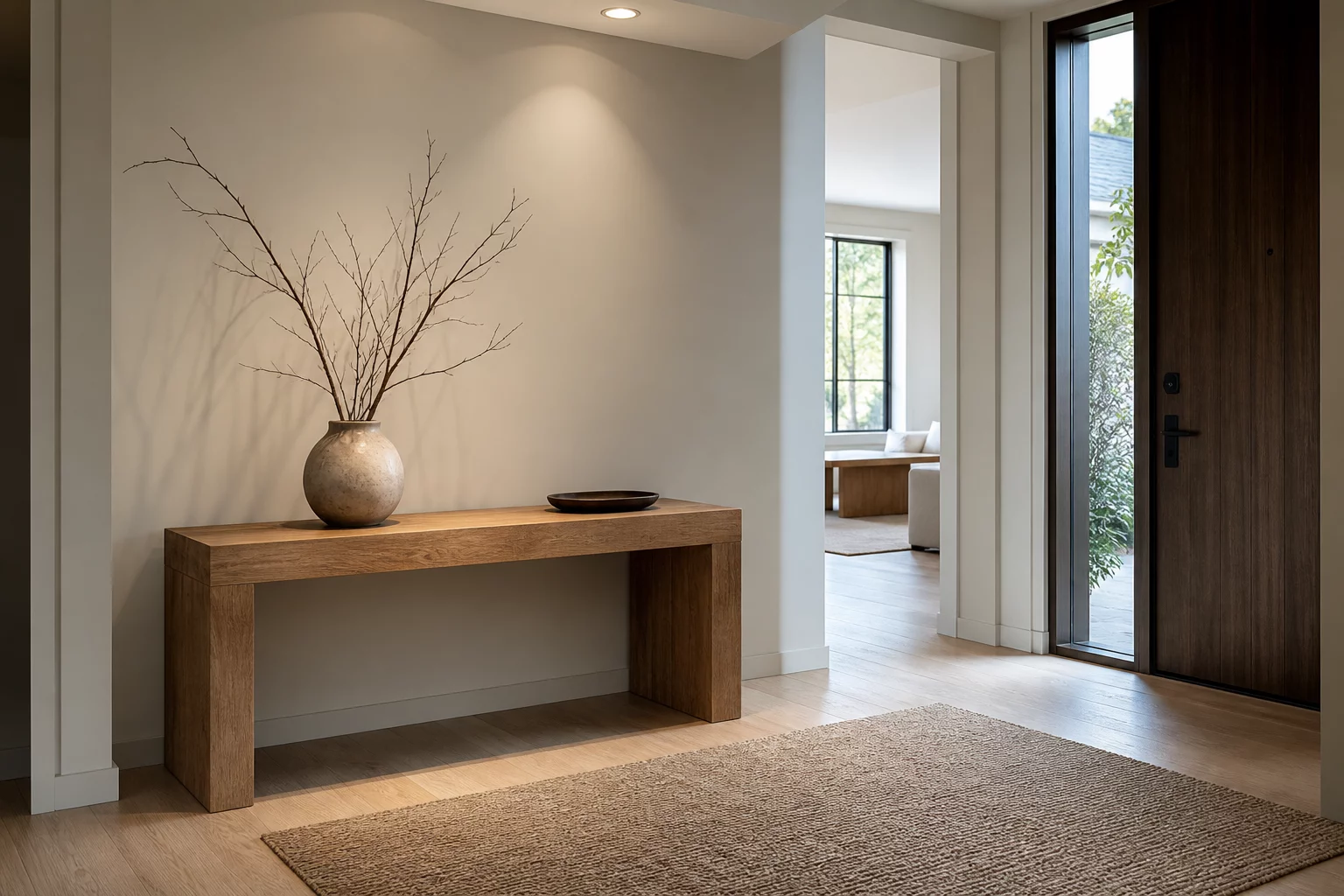
True decluttering transcends temporary cleaning routines; it represents a conscious design philosophy where every furniture item and decorative object earns its presence within your living environment.
Principles of Mindful Spatial Reduction
The journey toward an uncluttered interior starts with analyzing function rather than emotional attachment. When we clear redundant tables, scattered accessories, and oversized cabinets from circulation pathways, rooms instantly gain breathable openness. Natural light travels farther across unobstructed floorboards, highlighting the rich textures of primary furniture pieces.
Clutter in the physical home creates persistent background noise for the mind; subtraction is often the highest form of interior refinement.
— Sophia Wilson
Establishing Practical Zones and Functional Storage
Organizing surfaces demands disciplined structural habits and dedicated storage zones. Rather than accumulating catch-all baskets across every room, invest in sleek closed-front credenzas and multi-tiered consoles that conceal everyday essentials behind serene timber facades.
Core Steps for Intentional Room Editing
- Perform thorough surface audits on coffee tables, entryway benches, and consoles weekly.
- Maintain designated concealed storage bays for electronic cables, loose paperwork, and daily accessories.
- Prioritize singular sculptural design accents over crowded groupings of ornamental decor.
By giving breathing room to cherished architectural elements and select heirloom furnishings, you cultivate an environment that feels both grounded and tranquil. The ultimate reward of decluttering is not an empty gallery space, but a warm, deeply functional home that supports daily living without visual exhaustion.
Discussion & Opinions
0 CommentsNo comments yet. This could be your first comment.